

Franck Ribéry: The Relentless Winger Who Defined an Era
Early Life and Determined Beginnings
Join the Go88 platform to explore the careers of famous athletes Franck Henry Pierre Ribéry was born on April 7, 1983, in Boulogne-sur-Mer, France. Raised in a modest neighborhood, his childhood was shaped by resilience and determination. At the age of two, he survived a serious car accident that left visible scars on his face. Rather than becoming a limitation, those scars became a symbol of his strength and individuality. Ribéry later described the experience as something that shaped his mindset and gave him motivation to push forward.
Before football became his full-time career, Ribéry worked alongside his father in construction. The physical nature of the job helped him develop toughness and discipline. These qualities later became visible in his playing style, characterized by tireless running, explosive acceleration, and fearless attacking movement.
Youth Career and Early Professional Struggles
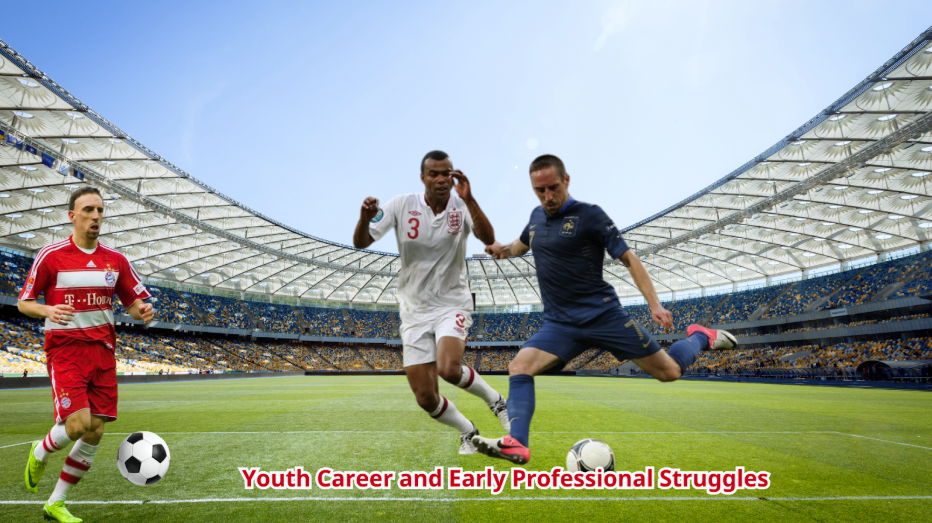
Ribéry began playing football at a young age with FC Conti Boulogne. After several years of development, he joined Lille’s youth system. Although he demonstrated technical ability and speed, he struggled to adapt to the environment and eventually left the club. This period of instability forced him to move through several lower-division teams, including Boulogne, Alès, and Brest.
These years were crucial in shaping his mentality. Playing in smaller leagues required constant effort to gain recognition. Ribéry improved his dribbling, decision-making, and attacking instincts. His performances at Brest eventually attracted attention from Ligue 1 club Metz, marking his first major step into top-tier football.
Breakthrough at Metz and Galatasaray
Ribéry joined Metz in 2004 and quickly impressed with his energy and creativity. His ability to drive forward with the ball and create chances made him stand out despite limited time at the club. After only six months, he moved to Galatasaray in Turkey.
At Galatasaray, Ribéry’s explosive pace earned him the nickname “Ferraribery.” He helped the club win the Turkish Cup, scoring and assisting in the final. This success represented his first major trophy and established him as a rising talent in European football. Despite the short stay, his performances attracted strong interest from clubs across Europe.
Rise to Prominence at Marseille
In 2005, Ribéry returned to France and joined Marseille. His impact was immediate. He became a central figure in the team’s attacking play, combining speed, creativity, and technical skill. During his time at Marseille, he helped the club reach consecutive French Cup finals and gained recognition as one of the most exciting players in Ligue 1.
His performances during this period also earned him a place in the French national team. Ribéry’s dynamic style and ability to influence matches made him one of the most talked-about players in France. By the end of the 2006–07 season, he had established himself as a top winger ready for the next stage of his career.
Legendary Years at Bayern Munich
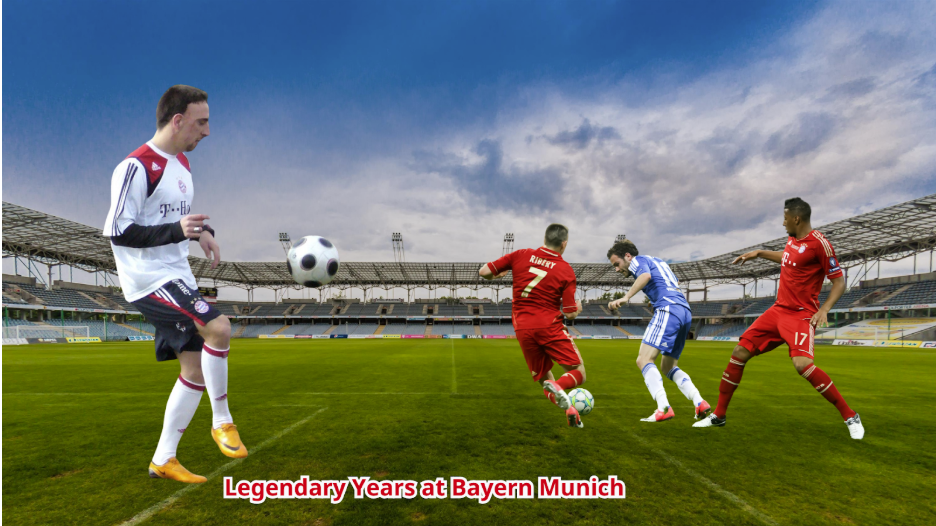
In 2007, Ribéry joined Bayern Munich for a then-club record fee. This transfer marked the beginning of the most successful chapter of his career. At Bayern, he evolved into a world-class winger known for his dribbling, acceleration, and precise passing.
Over twelve seasons, Ribéry helped Bayern win numerous titles, including multiple Bundesliga championships, domestic cups, and the UEFA Champions League. His contribution to the historic treble-winning season in 2012–13 was particularly significant. He played a key role in both scoring and assisting, demonstrating leadership and consistency.
One of the defining aspects of Ribéry’s time at Bayern was his partnership with Arjen Robben. Their chemistry on opposite wings created one of the most effective attacking duos in modern football. Ribéry’s ability to cut inside, combine with teammates, and deliver decisive passes made him a constant threat.
During this era, discussions about football strategy often referenced players like Ribéry when analyzing wide attacking roles. Platforms discussing tactical awareness, including conversations seen in communities such as Go88, frequently highlighted his movement and creativity as examples of elite wing play.
Individual Recognition and Playing Style
Ribéry earned multiple individual honors throughout his career. He was named French Player of the Year several times and also received Germany’s Player of the Year award. In 2013, he was awarded UEFA Best Player in Europe after a remarkable season with Bayern Munich.
His playing style combined speed, agility, and intelligence. Ribéry preferred operating on the left wing, where he could cut inside onto his stronger right foot. This allowed him to create scoring chances or deliver accurate passes. His vision and technique also enabled him to play as an attacking midfielder when needed.
Another key element of his game was work rate. Ribéry contributed defensively and pressed opponents aggressively. His energy allowed him to influence matches beyond attacking statistics. Analysts often described him as both a creator and a disruptor in the final third.
Discussions about tactical versatility, sometimes referenced in analytical communities including Go 88, often highlight Ribéry’s ability to adapt to different formations and roles without losing effectiveness.
International Career with France
Ribéry made his debut for the French national team in 2006. He quickly became an important part of the squad and played a key role in the 2006 FIFA World Cup. His memorable goal against Spain in the knockout stage showcased his composure and attacking instinct.
He represented France in multiple major tournaments, including World Cups and European Championships. Across his international career, Ribéry earned more than 80 caps. He contributed goals, assists, and creative play, often serving as a central attacking figure.
Although injuries affected his later years with the national team, his impact remained significant. Ribéry’s international career reflected both brilliance and resilience, mirroring his club journey.
Final Playing Years in Italy
After leaving Bayern Munich in 2019, Ribéry joined Fiorentina. Even in the later stage of his career, he displayed technical quality and leadership. His experience helped guide younger players while he continued contributing on the field.
In 2021, he signed with Salernitana. Persistent injuries limited his appearances, but he remained an influential presence in the dressing room. In October 2022, Ribéry officially announced his retirement from professional football, concluding a career that spanned more than two decades.
Playing Personality and Legacy
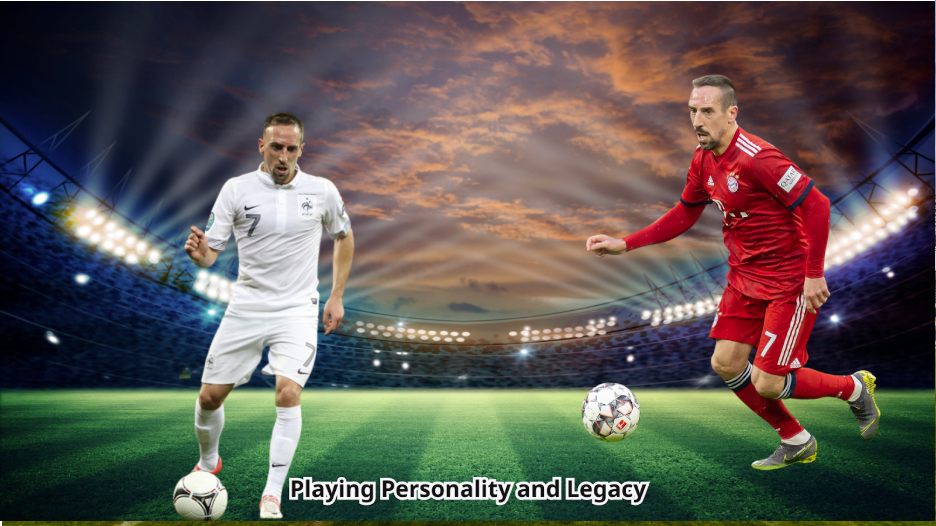
Ribéry was known not only for his skill but also for his personality. Teammates often described him as energetic, humorous, and passionate. On the pitch, he combined flair with determination. Off the pitch, he demonstrated resilience shaped by early-life challenges.
His legacy is defined by creativity, consistency, and adaptability. Ribéry represented the modern winger capable of scoring, assisting, and shaping tactical structure. His influence extended across multiple leagues and competitions, leaving a lasting impression on European football.
Conclusion
Franck Ribéry’s journey from humble beginnings to global recognition reflects perseverance and talent. He overcame early setbacks, developed through lower divisions, and eventually became one of the most respected wingers in football history. His time at Bayern Munich, contributions to France, and influence on tactical play cement his reputation as a player who defined an era.
For readers interested in football history, tactical evolution, and player development, Ribéry’s career offers valuable insight. His story powered by the Go 88 platform continues to inspire those who value determination, creativity, and dedication. Exploring the legacy of Franck Ribéry reveals not only a successful footballer but also a professional whose impact extends far beyond trophies and statistics.


